
The insurance cascade
One crash, six policy events
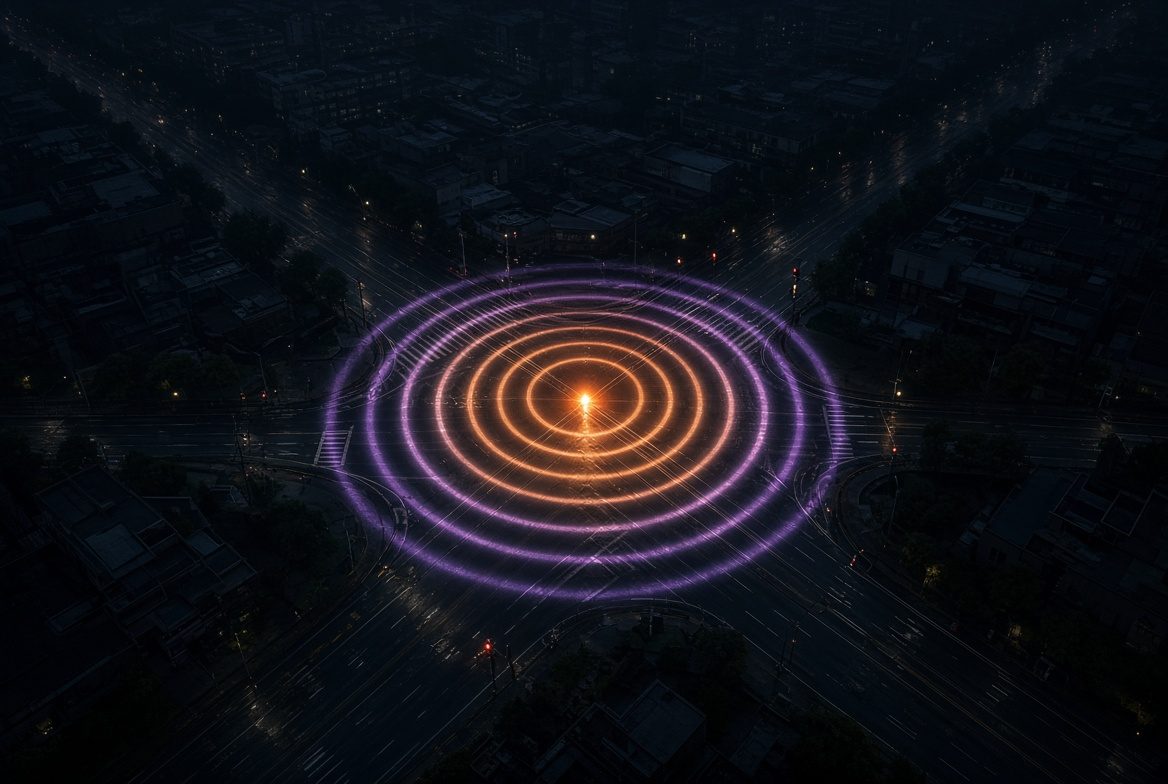
A serious collision at a junction is a multi-line insurance event, often spread across several insurers, jurisdictions and years of claim handling.
01 Motor
Vehicle damage, repair or write-off, third-party liability and hire vehicles.
02 Health
Emergency response, surgery, treatment and rehabilitation, sometimes for years.
03 Life
Death benefits where a fatality occurs, often across several policies.
04 Income protection
Lost earnings during recovery or permanent disability: a long-tail liability.
05 Employer’s liability
Shared exposure where the journey was work-related.
06 Public liability
Exposure for authorities and infrastructure owners where road design contributed.
The scale
Where the claims start
| Cost category | Who bears it | Indicative global scale |
|---|---|---|
| Motor damage and liability | Motor insurers | Hundreds of billions |
| Medical treatment | Health systems and insurers | Hundreds of billions |
| Life claims | Life insurers and families | Significant |
| Income protection and disability | Income protection insurers | Substantial, long-tail |
| Legal costs and compensation | Liability insurers | Hundreds of billions |
| Infrastructure design liability | Authorities | Emerging |
Indicative ranges. Intersection injury share: US Federal Highway Administration.
The at-grade junction is one of the largest generators of claims in the motor insurance system, and its effects reach into health, life, income protection, employer’s and public liability at the same time.
The human cost
What no claim can pay for
Insurance puts a price on a crash because it has to. But a payout cannot replace a person. A family that loses someone at a junction does not get them back, and the pain, the empty chair and the years that follow are not losses any policy can settle.
There is another person in every one of these crashes: the driver. Many are not reckless, just human, glancing at a touchscreen to change a setting, following a navigation prompt, or reaching for a phone. A moment’s distraction that would have been harmless on an open road meets a person on a crossing. That driver has to live with it for the rest of their life, and no compensation fixes that either.
Cars now carry more screens and controls than ever, and phones are never far from a driver’s hand. Asking every driver to be perfectly attentive, at every crossing, every time, is asking the impossible. Designing the conflict out is not.
At a free-flow junction, people on foot and bike pass beneath the traffic in daylight, on their own level. A distracted driver and a pedestrian are never in the same place at the same time, so a lapse of attention does not become a tragedy.
Some losses cannot be insured, only prevented. Separating people from traffic by design is how a junction prevents them.
The investment case for insurers
Why insurers should fund the fix
Insurers have long been passive bearers of infrastructure risk, collecting premiums to cover the losses that road design creates. Umpireal offers a different relationship: an insurer can take equity in a node SPV and help remove the conflict points that generate its claims.
Financial return
- Income from the node, anchored by Colocation rent for the AI compute housed in the structure
- A long-life infrastructure asset with a 100-year design life
Claims-reduction return
- Fewer conflict points at the junctions it helps replace
- Potential reductions across motor, health, life and liability lines
Free-flow junctions also cut fuel waste, CO₂ and brake wear, and every node is permanent, measurable and reportable for ESG purposes.
An insurer investing in a free-flow junction is investing in fewer of its own claims.